

Key Takeaways
- Many TPMS systems fail to trigger warnings until tyres are 25% deflated – well beyond the point where safety and fuel economy are compromised.
- TPMS sensors break down frequently due to non-replaceable batteries, road debris damage, and extreme temperatures.
- Replacement costs range from £40-160 per tyre when sensors fail, making manual checks a cost-effective safety measure.
- Both methods together provide maximum protection for drivers concerned about vehicle safety and maintenance.
Tyre Pressure Monitoring Systems promised to revolutionise road safety by alerting drivers to dangerous pressure drops. But mounting evidence suggests these so-called electronic guardians have significant limitations that could leave motorists vulnerable to accidents, increased fuel costs, and unexpected breakdowns.
TPMS Often Fails to Trigger Until 25% Deflation
Research from AAA reveals a concerning limitation of modern TPMS technology: many systems don’t activate dashboard warnings until tyres lose at least 25% of their recommended pressure. This substantial deflation threshold means drivers could unknowingly operate vehicles with dangerously underinflated tyres for weeks.
Consider the implications. A tyre inflated to 35 PSI would need to drop to approximately 26 PSI before triggering any warning. During this “silent danger zone,” underinflated tyres increase stopping distances by up to eight metres – potentially the difference between a near-miss and a catastrophic collision. Additionally, fuel consumption can rise significantly as rolling resistance increases, costing drivers substantial amounts annually.
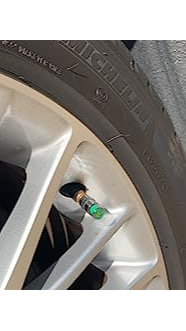
Underinflated tyres contribute significantly to vehicle-related accidents. With TPMS systems essentially blind to the early stages of pressure loss, innovative solutions like AutoPump’s monitoring caps offer real-time visibility that traditional TPMS can’t match.
How TPMS Technology Actually Works
Modern TPMS operates through wheel-mounted sensors that transmit pressure data wirelessly to the vehicle’s central computer. These sophisticated devices continuously monitor air pressure and communicate with dashboard systems to provide driver alerts.
Real-Time Dashboard Alert System
The dashboard warning light represents the visible endpoint of a complex electronic chain. Sensors measure pressure changes and transmit radio signals containing pressure data to the car’s onboard computer. When pressure drops below predetermined thresholds, the system activates visual warnings.
However, this “real-time” monitoring creates a false sense of security. The system only reports significant pressure losses, missing the gradual deflation that represents the majority of tyre pressure problems drivers encounter daily.
Mandatory Since 2012 in EU, 2007 in US
European regulations mandated TPMS installation on all new vehicles from November 2012, following earlier US requirements from 2007 (for vehicles under 10,000 pounds). This regulatory push aimed to reduce tyre-related accidents and improve fuel efficiency across vehicle fleets.
Despite widespread adoption, the technology’s limitations have become increasingly apparent as millions of vehicles accumulate real-world data. Vehicle diagnostic experts report discovering numerous TPMS-related issues during routine inspections, highlighting systematic reliability concerns.
Why TPMS Systems Break Down
TPMS sensors face harsh operating conditions that frequently lead to premature failure. Understanding these failure modes helps drivers recognise when their monitoring systems may be compromised.
1. Non-Replaceable Battery Failure
TPMS sensors contain small lithium batteries designed to last 5-10 years, though battery life can vary significantly based on usage and environmental factors. However, these batteries cannot be replaced individually – when power fails, the entire sensor unit requires replacement. Cold weather, frequent driving, and manufacturing variations significantly reduce battery life below theoretical specifications.
Battery degradation occurs gradually, meaning sensors may provide intermittent or inaccurate readings before complete failure. Drivers often remain unaware of declining sensor performance until dashboard error messages appear.
2. Road Debris and Extreme Temperature Damage
Wheel-mounted sensors endure constant bombardment from road debris, salt, chemicals, and extreme temperature fluctuations. Impact damage from potholes, kerb strikes, and flying stones can disrupt sensor housings or antenna components.
Temperature extremes particularly affect sensor accuracy and longevity. Rapid heating during summer driving or freezing conditions in winter can stress electronic components and accelerate failure rates beyond manufacturer projections.
3. Corrosion and Sensor Age Issues
Moisture infiltration through damaged seals leads to internal corrosion that degrades sensor performance. Road salt application during the winter months accelerates this corrosion process, particularly affecting sensors on vehicles driven in harsh climates.
Age-related failures increase exponentially after the five-year mark. Rubber seals harden and crack, allowing moisture ingress that compromises sensitive electronic components housed within sensor assemblies.
The Hidden Costs of TPMS Reliability
TPMS sensor failures impose significant financial burdens on drivers beyond the initial system cost. Understanding these expenses helps motorists evaluate the true cost of electronic monitoring dependence.
£40-160 Replacement Per Tyre (Dealerships Cost More)
Professional TPMS sensor replacement typically ranges from £40-160 per tyre, including parts and labour costs. Dealership service departments often charge premium prices, particularly for luxury vehicle brands requiring proprietary sensors. Replacement costs can vary significantly based on vehicle make, sensor technology, and local labour rates.
Multiple sensor failures compound these costs dramatically. Vehicles experiencing simultaneous sensor problems across several wheels can face repair bills exceeding £500. Independent garages may offer competitive pricing, but sensor programming and calibration requirements often necessitate specialist equipment access.
Some high-end vehicles require sensors costing over £100 per unit before installation charges.
Manual Checks Provide Critical Safety Benefits
Traditional manual tyre pressure checking offers advantages that electronic systems simply can’t replicate. What’s more, these benefits go way beyond simple pressure measurement accuracy.
Visual Detection of Sidewall Damage and Embedded Objects
Manual pressure checking forces drivers to visually inspect tyres for damage that TPMS can’t detect. Sidewall bulges, cuts, embedded nails or screws, and tread wear patterns become apparent during hands-on inspection.
These visual cues often provide an early warning of impending tyre failure. A nail embedded in the tread might not immediately affect pressure readings but poses a significant blowout risk at motorway speeds. Similarly, sidewall damage from kerb strikes weakens tyre structure without triggering electronic warnings.
Regular visual inspection also reveals uneven wear patterns that indicate alignment issues, suspension problems, or improper inflation habits that require professional attention.
Direct PSI Accuracy Every Time
Quality pressure gauges provide precise measurements accurate to within 0.5 PSI, far exceeding TPMS precision. This accuracy enables drivers to maintain optimal pressure for fuel efficiency, tyre longevity, and safety performance.
Manual checking eliminates electronic system dependencies and provides consistent results regardless of sensor condition, battery status, or environmental factors. Drivers gain confidence knowing their pressure readings reflect actual tyre condition rather than electronic interpretation.
Use Both Methods for Maximum Safety
The most effective tyre safety strategy combines TPMS convenience with manual checking reliability. Electronic systems excel at detecting sudden pressure loss from punctures or rapid leaks, while manual checks catch gradual pressure drops and physical damage.
The Highway Code recommends regular tyre pressure checks, with TPMS serving as an emergency backup system rather than the primary monitoring method. This dual approach maximises safety while minimising the risk of sensor failure that leaves drivers vulnerable.
Smart drivers treat TPMS warnings as immediate action signals while maintaining regular manual checking schedules. This redundant approach ensures thorough tyre monitoring regardless of electronic system reliability.
For vehicle safety solutions and automotive technologies, AutoPump offers an advanced product range.

Comments are closed.